
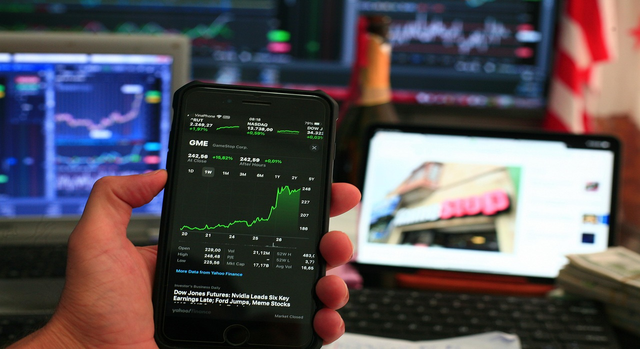
Entering the world of investing can be both exciting and overwhelming, especially for beginners. The thrill of making your first trades and seeing your portfolio grow is unmatched. However, as you navigate through the financial markets, it's crucial to be aware of the pitfalls that come with inexperience. One of the common traps is overtrading, a situation where you trade excessively, often driven by emotions rather than strategy. Understanding how to avoid overtrading as a beginner is essential for long-term success and financial well-being.
Understanding Overtrading
Overtrading refers to the practice of executing too many trades within a short period. This behavior often stems from the misconception that more trades lead to more profits. However, frequent trading can erode your capital due to transaction costs and poor decision-making.
To avoid overtrading as a beginner, it's important to recognize the signs. These may include feeling anxious or rushed to make trades, frequently checking stock prices, and deviating from your trading plan. Recognizing these patterns early can help you take corrective action.
Moreover, overtrading can be fueled by emotional responses such as fear of missing out (FOMO) or greed. To combat this, establish a solid trading plan and stick to it. A well-thought-out strategy will help you make informed decisions and avoid impulsive trades.
Developing a Trading Plan
A well-structured trading plan is a foundational step in learning how to avoid overtrading as a beginner. This plan acts as a roadmap, guiding your decisions and helping you stay disciplined.
Your trading plan should include your investment goals, risk tolerance, and preferred trading strategies. Outline the criteria for entering and exiting trades, and set realistic profit targets and stop-loss limits. By having these guidelines in place, you reduce the likelihood of making emotionally driven trades.
Components of an Effective Trading Plan
An effective trading plan is comprehensive and tailored to your individual needs. Here are some essential components:
- Investment Goals: Clearly define your short-term and long-term objectives. Are you saving for retirement, a major purchase, or building wealth?
- Risk Management: Determine how much risk you are willing to take on each trade. This includes setting stop-loss orders to limit potential losses.
- Trading Strategy: Decide on the type of trading that suits you best, whether it's day trading, swing trading, or long-term investing.
- Evaluation Criteria: Set specific criteria for evaluating potential trades, such as technical indicators or fundamental analysis.
- Review and Adapt: Regularly review your trading plan and make adjustments as needed based on market conditions and personal growth.
Emotional Discipline in Trading
Emotional discipline is crucial when learning how to avoid overtrading as a beginner. The financial markets are unpredictable, and emotions can run high, leading to impulsive decisions.
One way to maintain emotional discipline is by practicing patience. Understand that not every day will present a lucrative trading opportunity. It's better to wait for setups that align with your trading plan rather than forcing trades.
Additionally, keep a trading journal to document your trades and reflect on your decision-making process. This practice can help you identify emotional triggers and improve your discipline over time.
Leveraging Technology and Tools
In the digital age, technology offers a variety of tools to help you avoid overtrading as a beginner. From trading platforms to financial news apps, leveraging these resources can enhance your trading experience.
Frequently Asked Questions about Trading Tools
Q1: What tools can help me stick to my trading plan?
A1: Trading platforms often have features like alerts, automated trading, and backtesting. These can help you adhere to your strategy by notifying you of potential trades and executing pre-set orders.
Q2: How can I use financial news to my advantage?
A2: Stay informed about market developments through reputable financial news sources. Use this information to make educated decisions, but avoid letting headlines dictate impulsive trades.
Q3: Are there apps that help with emotional discipline?
A3: Yes, there are apps designed for mindfulness and stress management. These can help you maintain emotional stability, a key factor in avoiding overtrading.
Common Overtrading Mistakes
Understanding common overtrading mistakes can further arm you in your effort to avoid overtrading as a beginner. Recognizing these errors can prevent you from falling into the same traps.
One frequent mistake is chasing after losses. This occurs when you make additional trades in an attempt to recover from a loss. This behavior often leads to more significant losses and increased frustration.
Another mistake is over-leveraging your account. Using too much margin can amplify both gains and losses, increasing the risk of significant financial setbacks. Always be mindful of your leverage and ensure it aligns with your risk tolerance.
Practical Tips for Avoiding Overtrading
Implementing practical tips can make a significant difference in avoiding overtrading. Start by setting a trading schedule that limits the time you spend actively trading each day. This can reduce the temptation to overtrade.
Mini FAQ: Practical Tips for Beginners
Q1: How can I prevent myself from overanalyzing the market?
A1: Limit the amount of information you consume daily. Focus on quality over quantity and rely on your trading plan to make decisions.
Q2: Should I set trading limits?
A2: Yes, establish daily or weekly trading limits to prevent excessive trading. Once you reach your limit, step away from the market.
Q3: Can taking breaks improve my trading discipline?
A3: Absolutely. Taking regular breaks helps clear your mind and reduces the risk of making impulsive decisions.
Finally, create a quick checklist to review before making any trade. This checklist should include questions such as: Does the trade align with my plan? Have I assessed the risk? Am I making this trade based on logic rather than emotion?
By integrating these practical steps and maintaining a disciplined approach, you can effectively learn how to avoid overtrading as a beginner. Remember, successful investing requires patience, strategy, and continuous learning. With these tools in hand, you're well on your way to a more disciplined and profitable trading journey.